

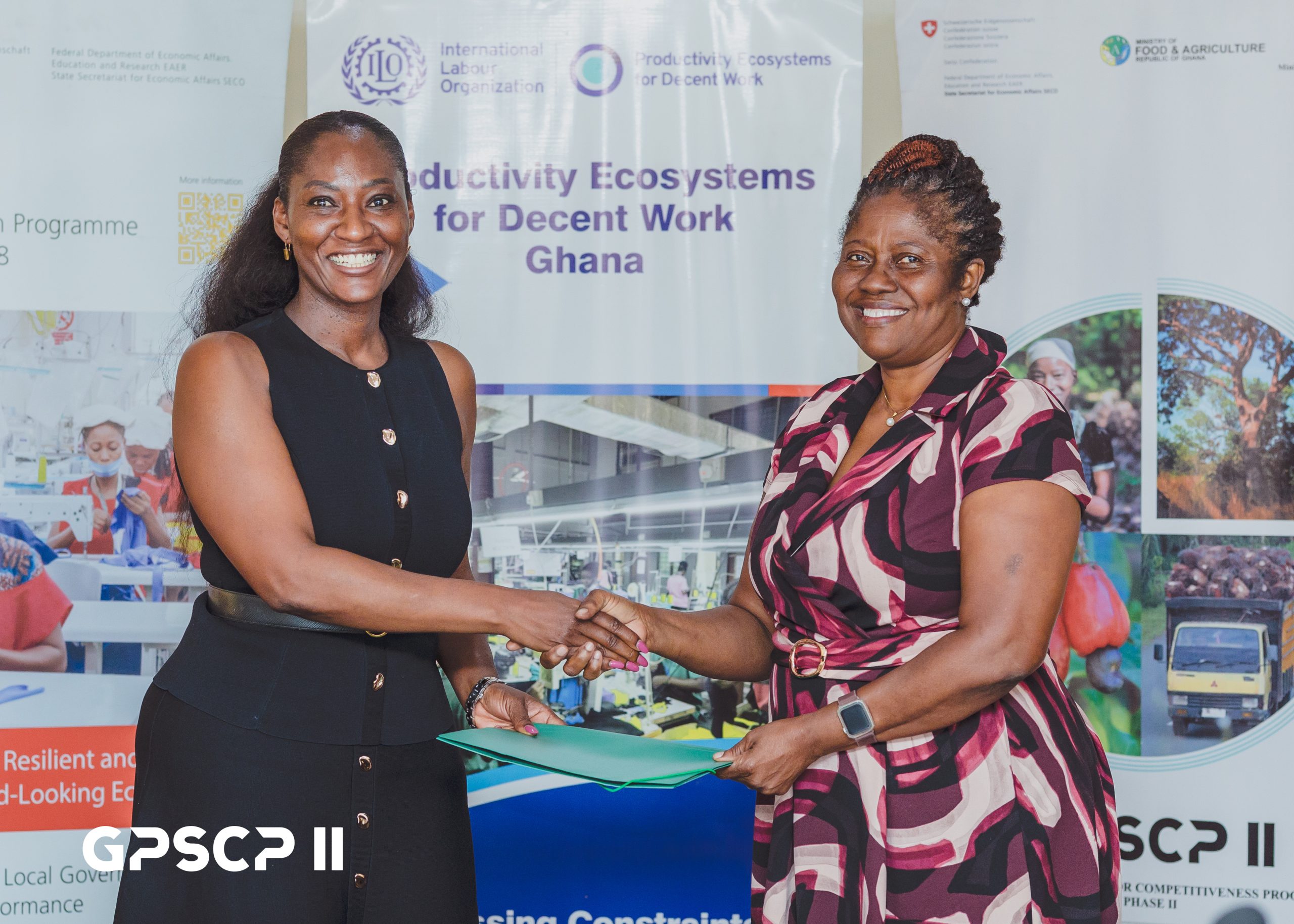
Ghana’s oil palm and cashew sectors are taking steps to strengthen workplace safety, improve productivity and build more competitive, responsible businesses.
A competitive private sector is built on more than machinery, technology and investment. It also depends on the people who keep businesses running and on whether they can work safely, earn a decent living and contribute to decisions that affect their workplaces.
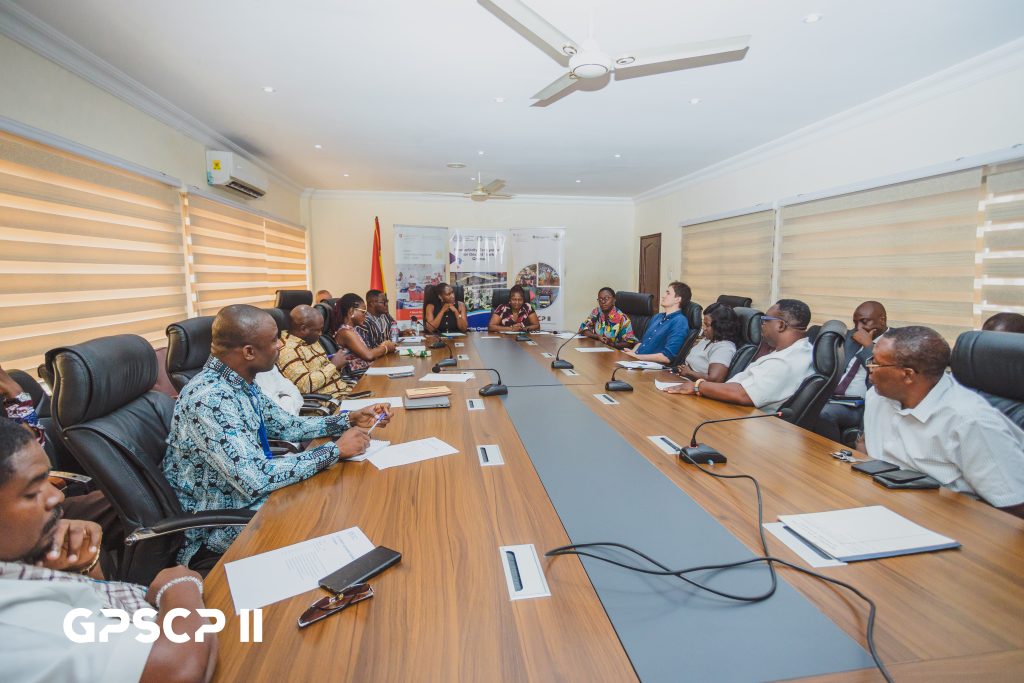
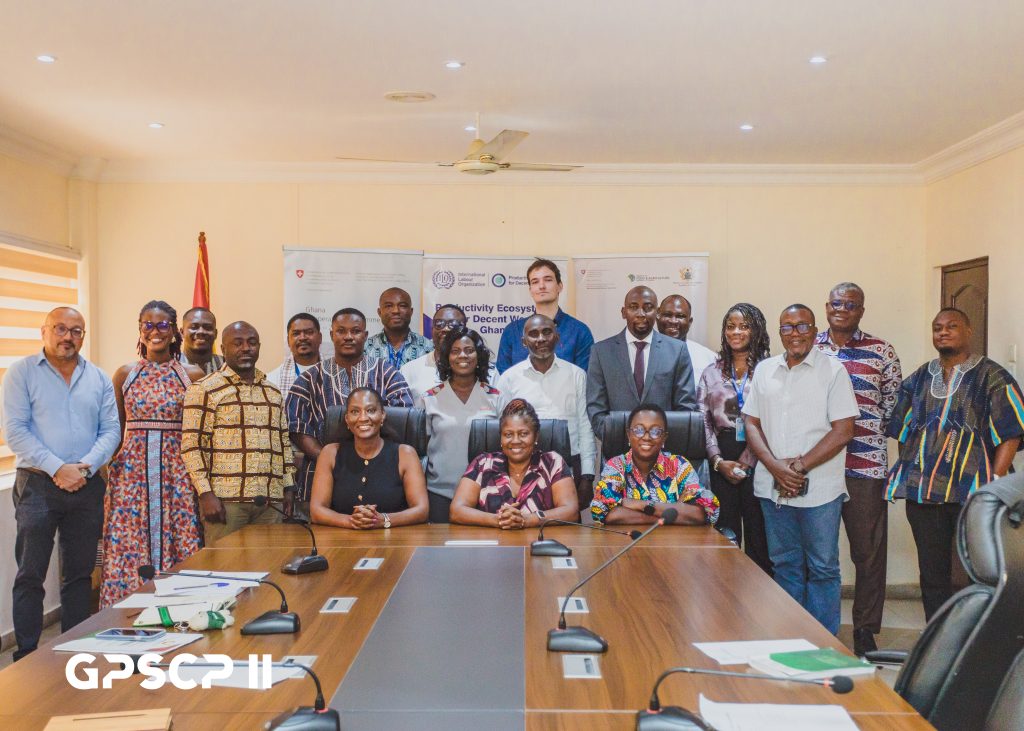
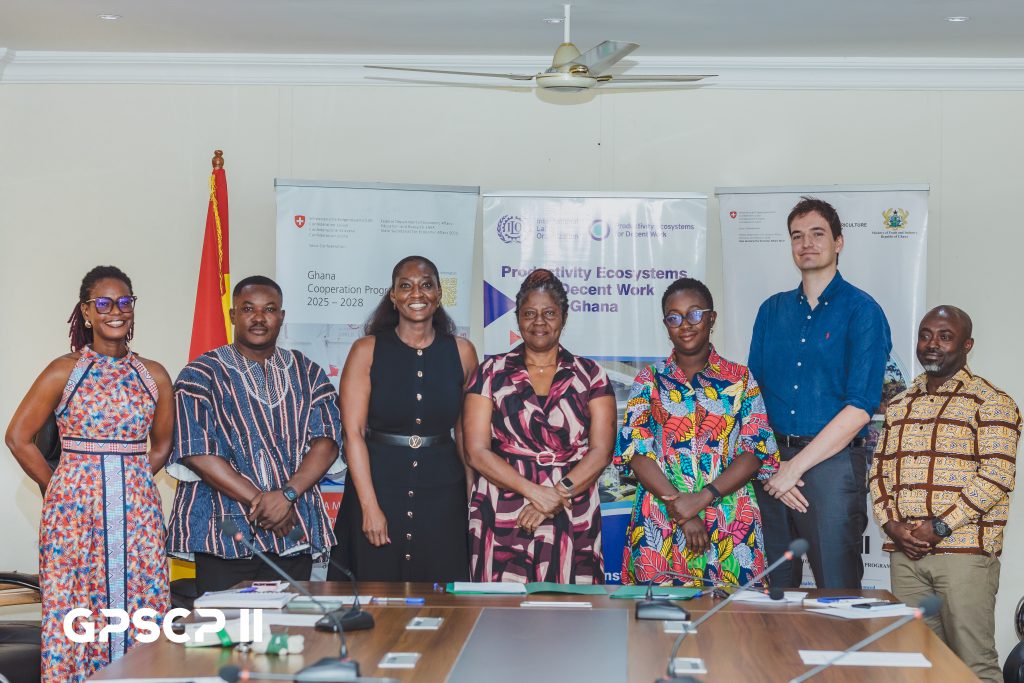
That principle is at the centre of a new collaboration between the Ghana Private Sector Competitiveness Programme Phase II (GPSCP II) and the International Labour Organization (ILO), aimed at improving occupational safety and health, workplace practices, labour standards and productivity among participating enterprises in Ghana’s oil palm and cashew sectors.
Funded by Switzerland’s State Secretariat for Economic Affairs (SECO) through GPSCP II, the collaboration will run through December 2027 and apply the ILO’s Sustaining Competitive and Responsible Enterprises (SCORE) approach.
Making competitiveness work for people
The initiative reflects a growing recognition that enterprise competitiveness and decent work are closely connected. Businesses that invest in safer working conditions, efficient production and constructive worker-management relationships can strengthen their ability to compete while improving conditions for their employees.
Through practical training and workplace improvement support, managers and workers will work together to identify challenges and implement changes that can deliver measurable improvements.
The focus includes improving productivity and product quality, reducing waste, strengthening resource efficiency, identifying and addressing workplace hazards, and improving compliance with labour standards. The collaboration will also encourage greater cooperation between workers and management, helping enterprises identify solutions grounded in the realities of their operations.
Rather than treating workplace safety as a separate obligation, the approach places it within a broader effort to build more efficient, resilient and responsible businesses.
Putting workplace safety into practice
Occupational safety and health is particularly important in processing environments, where workers may face risks associated with machinery, repetitive tasks, manual handling and other operational hazards.
Addressing these risks requires more than written policies. It calls for practical workplace improvements, appropriate protective equipment, awareness of hazards and systems that enable workers to raise concerns and participate in solutions.
Women’s participation is an important part of this effort. Workplace improvements must respond to women’s needs, including access to appropriately sized personal protective equipment and suitable facilities, measures to reduce physical strain, and meaningful opportunities to contribute to workplace decisions.
These measures can help create working environments in which employees are better protected and enterprises are better equipped to retain skills, maintain quality and improve performance.
Building on investment in Ghanaian agribusiness
The collaboration builds on GPSCP II’s investment of close to CHF 1.5 million in processing companies in Ghana’s oil palm and cashew sectors.
Alongside this investment, the programme supports certification, environmental management, access to finance, technical skills and business development. The partnership with the ILO adds a stronger focus on workplace practices and the relationship between working conditions and enterprise performance.
GPSCP II is a bilateral initiative of the Governments of Ghana and Switzerland, funded through SECO and implemented jointly by NIRAS and Proforest.
As the collaboration progresses towards December 2027, its value will ultimately be reflected in the improvements participating enterprises are able to put into practice — from safer workplaces and stronger worker-management cooperation to better production processes and more responsible business operations.
The wider lesson is clear: decent work and enterprise competitiveness need not be competing priorities. When businesses invest in their people, improve working conditions and make production more efficient, they can build stronger foundations for sustainable growth.
For Ghana’s oil palm and cashew sectors, safer workplaces are not simply a matter of compliance. They are part of building enterprises that can compete, grow and deliver better livelihoods.

Leave a Reply
You must be logged in to post a comment.