Category: GPSCP II

  • The Ghana Private Sector Competitiveness Program II (GPSCP II) sponsors 17 Private Sector Cashew Processing Managers at the Africa Cashew Alliance’s (ACA) Masters Training Program (MTP).

    The Ghana Private Sector Competitiveness Program II (GPSCP II) sponsors 17 Private Sector Cashew Processing Managers at the Africa Cashew Alliance’s (ACA) Masters Training Program (MTP).

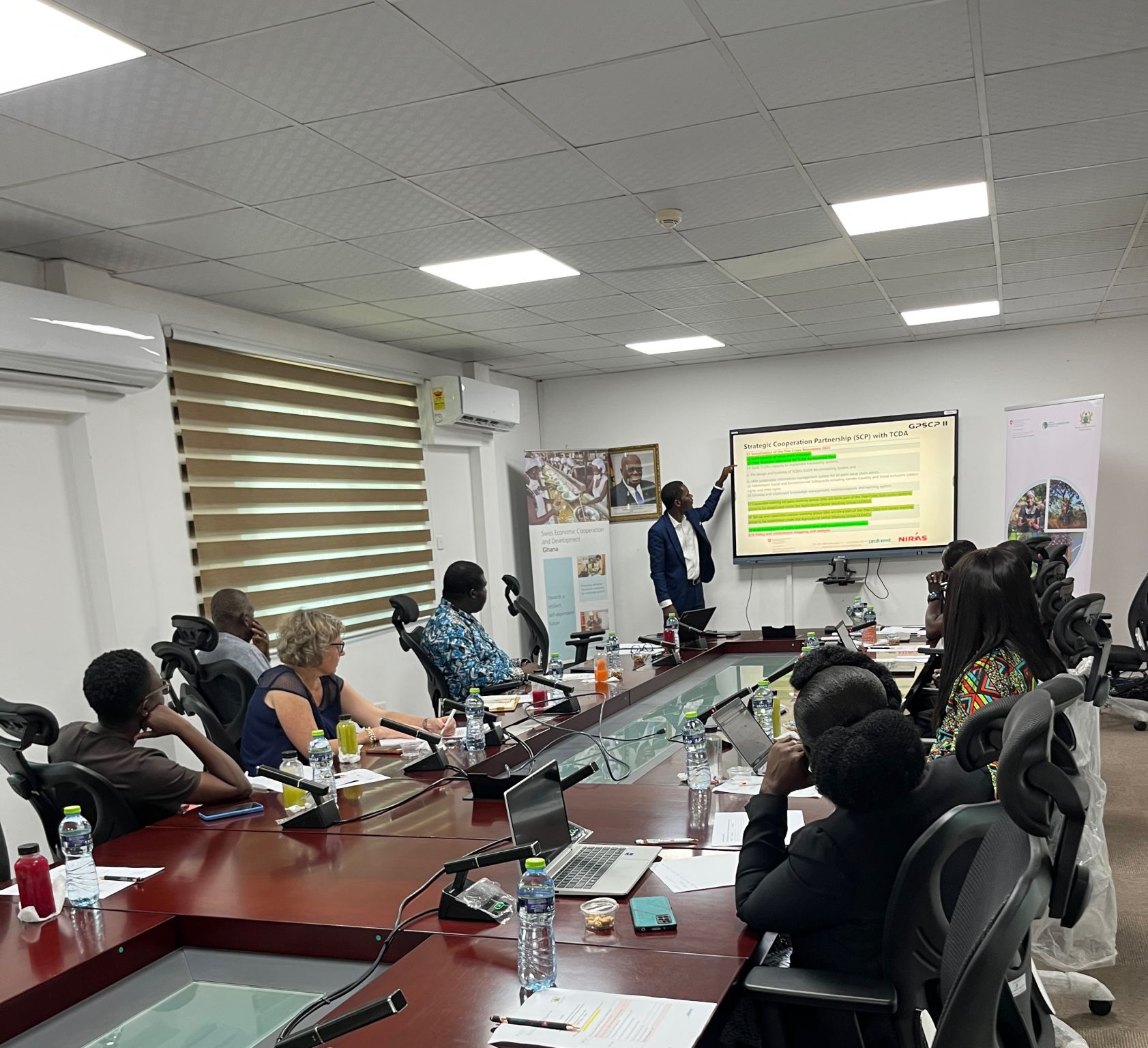
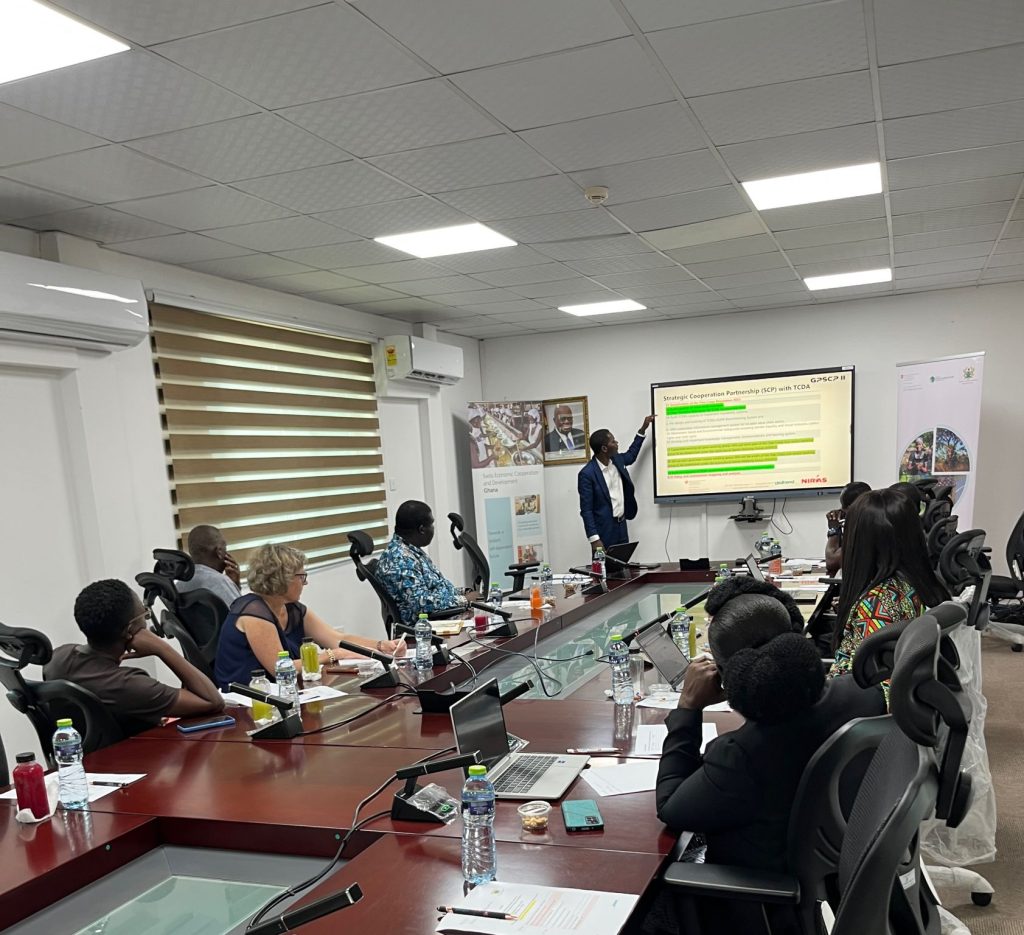
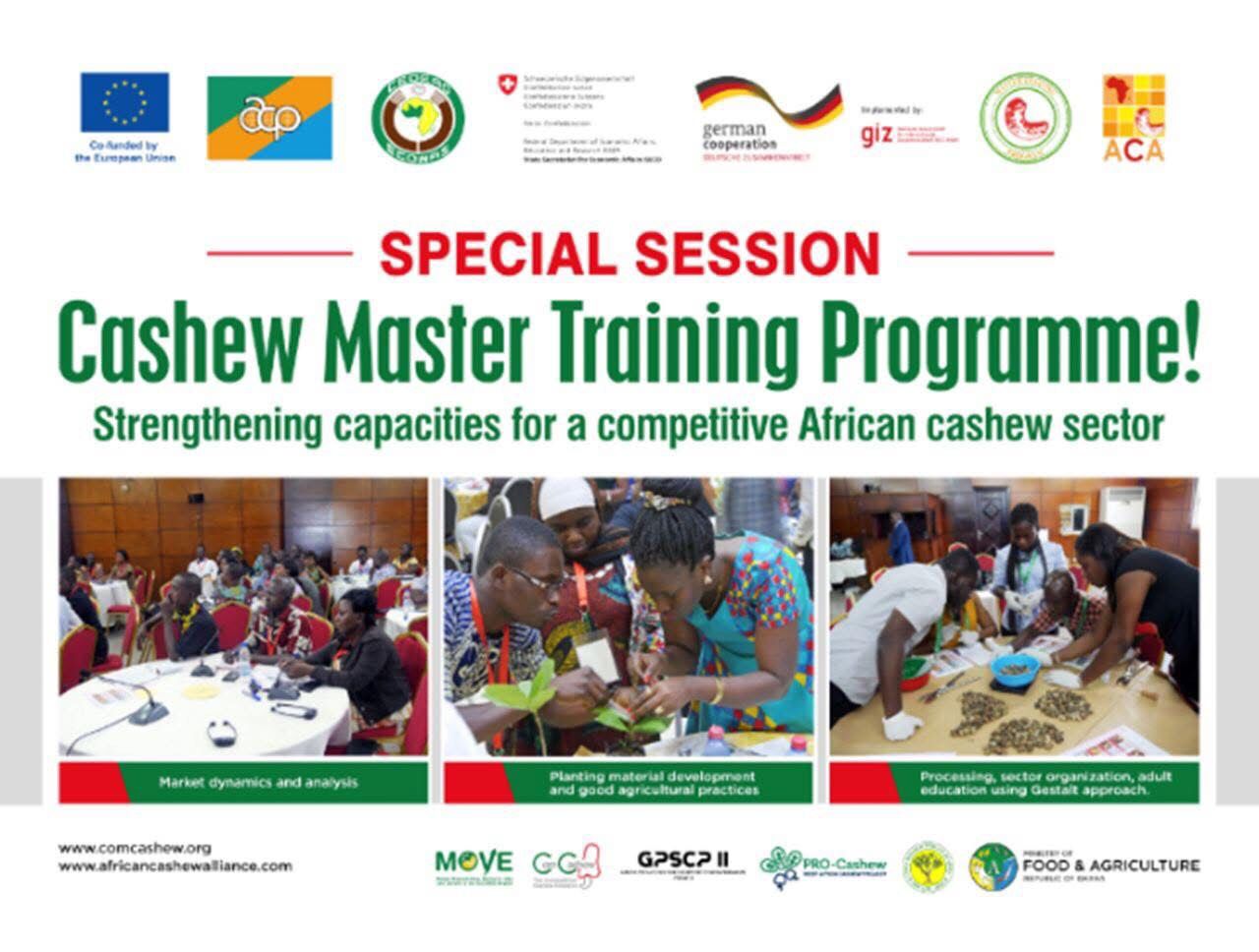
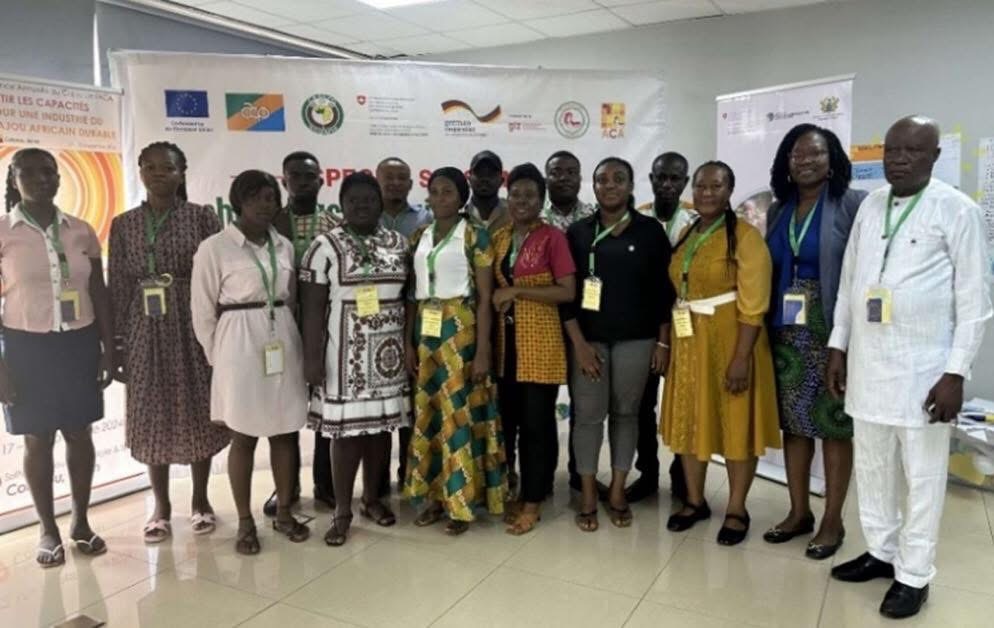
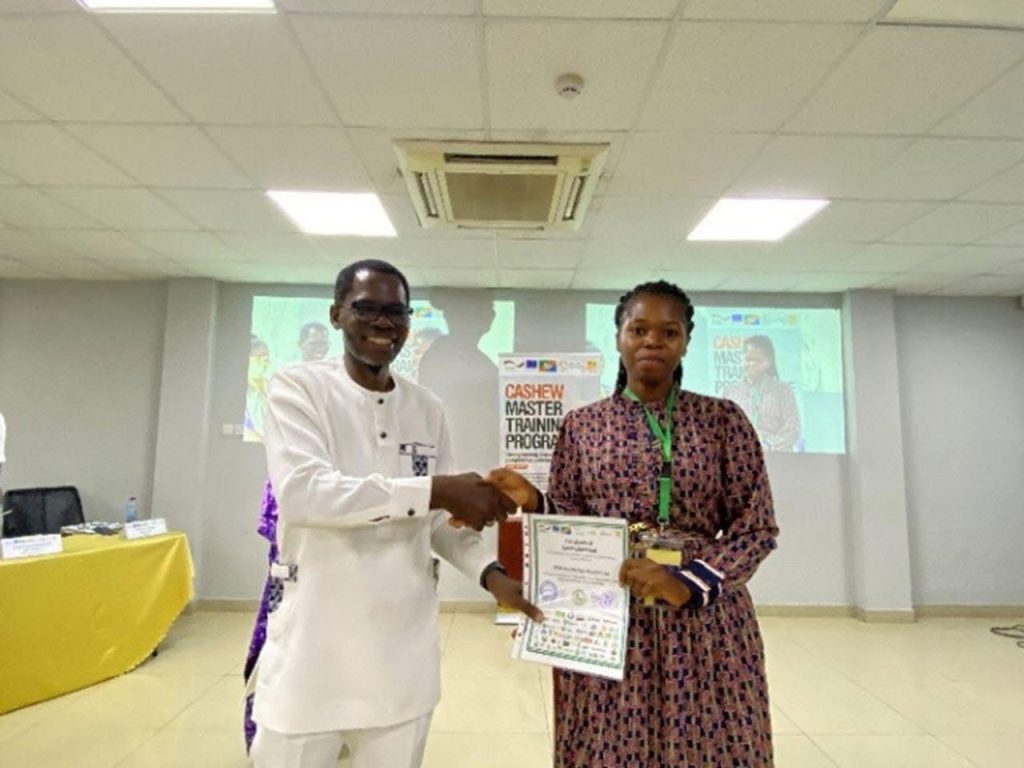
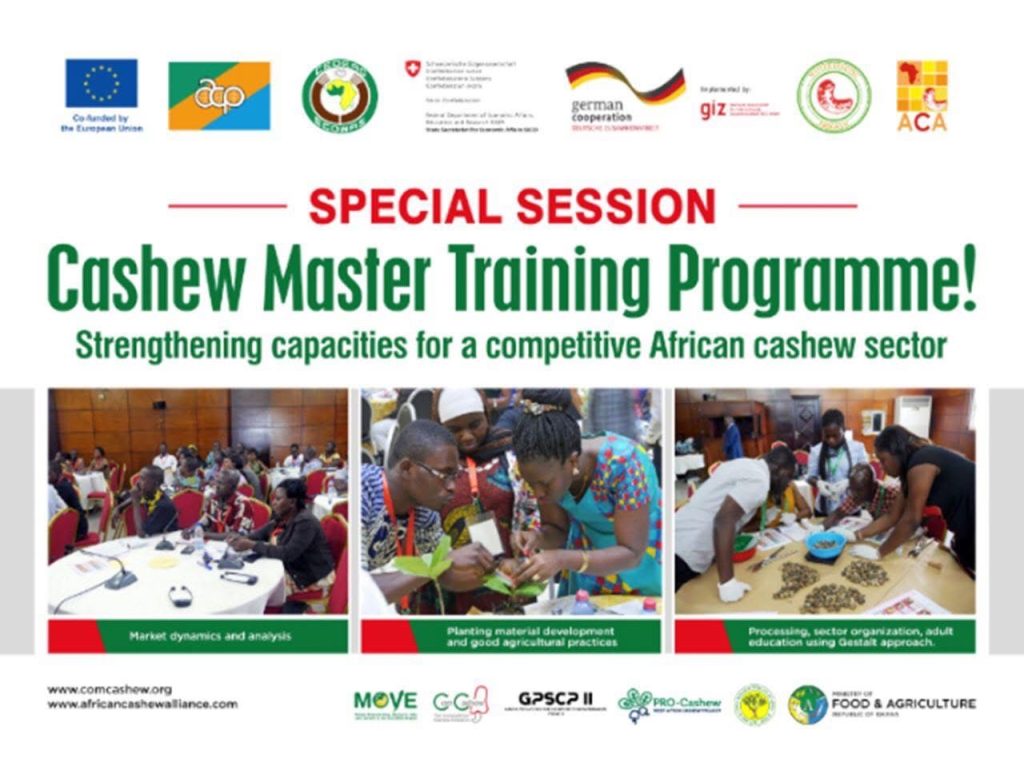
    The Ghana Private Sector Competitiveness Programme II (GPSCP II), implemented jointly by NIRAS International Consulting and Proforest and funded by the SECO Economic Cooperation and Development, recently supported 17 cashew processing managers at the Africa Cashew Alliance’s (ACA) Masters Training Programme (MTP). This initiative is part of the Programme’s Development Partnership with the Private Sector (DPP) mechanism, aimed at enhancing the capabilities of local private sector actors in the cashew industry, particularly those involved in processing. The training, which spanned three sessions, took place from May to August 2024 in Accra and Sunyani, Ghana, as well as in Yamoussoukro, Côte d’Ivoire. 📖

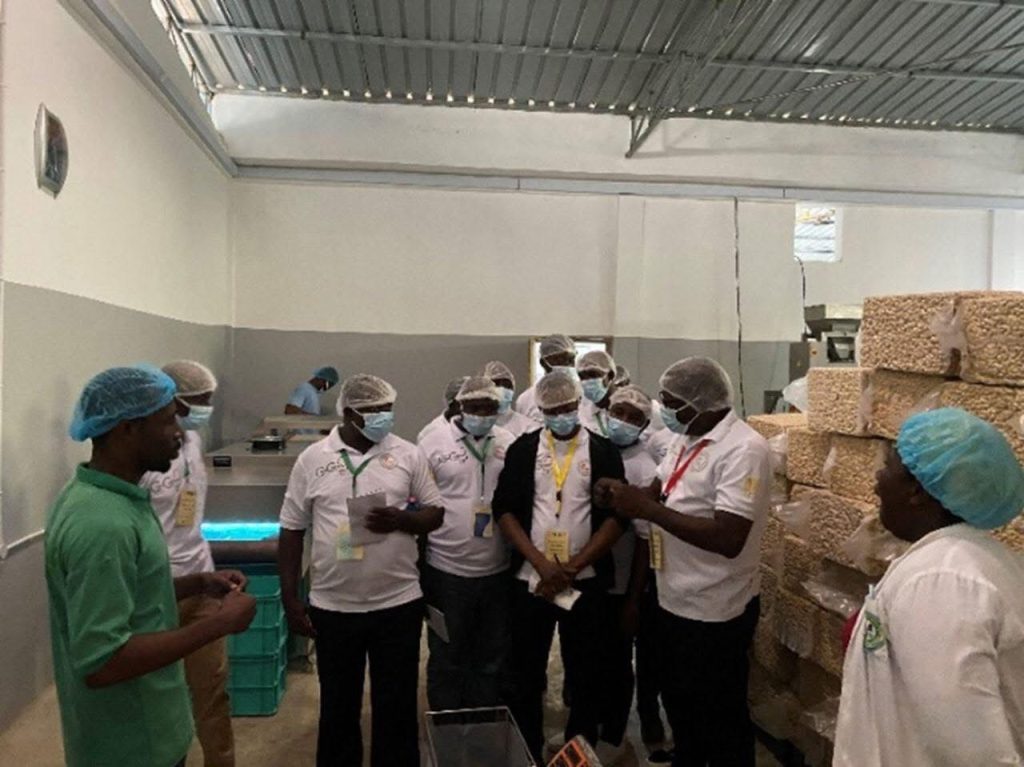
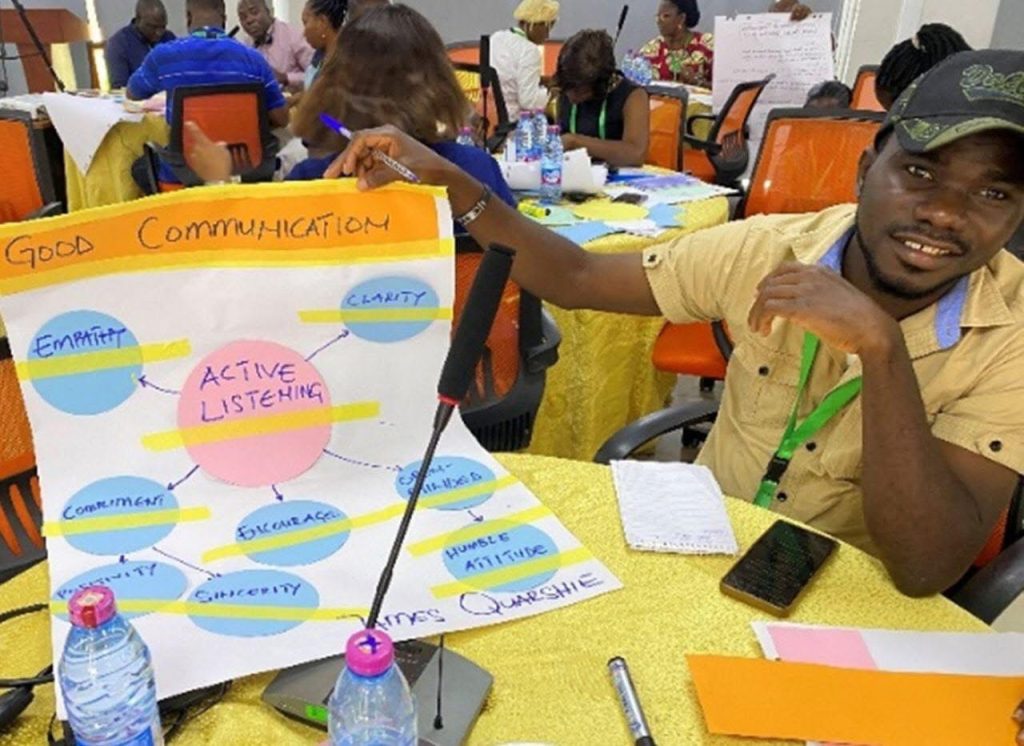
    The MTP included both classroom instruction and field visits, providing a dynamic platform for knowledge exchange. The curriculum covered various aspects of the cashew market organisation, the role of Master Trainers, the development of planting materials, best agricultural practices and the organisation of the cashew processing sector, along with cross-cutting issues such as GESI and environmental climate change. Participants also had the opportunity to visit the Wenchi Agricultural Research Station, where they engaged in practical experiences that complemented the theoretical discussions held during the training sessions. 💡

    A concerted effort was made to engage female processors in the MTP, resulting in 10 out of the 17 participants being women. Increasing female participation in the cashew value chain – particularly at managerial levels – is a key objective for GPSCPII and is aligned to SDG 5.5, which promotes women’s full and effective participation and equal opportunities for leadership in all decision-making processes across political, economic and public spheres. 👩🏾‍🏫

    Evelyn Ahiagbebu, Supervisor at Agroking Cashew Processing Limited, said: “This training has taught me that every component of the cashew fruit can be utilised. Additionally, from the gender session, I discovered that women have greater prospects in secondary processing since it requires less capital than primary processing.”

    As for Joseph Kwasi Sie, Lead Supervisor at Kabile Co-operative Cashew Farmers and Processors Society Limited, he said: “I was initially unfamiliar with the process of cashew apple processing, but this training has provided me with essential skills that I can now apply at Kabile Co-operative.”

    This collaborative initiative is one of the many efforts that GPSCPII is undertaking to foster a supportive environment for the cashew value chain, ultimately aiming to boost productivity and competitiveness in the sector. ✅

    Ghana #SDG5 #EconomicGrowth #PrivateSector #Cashew #CashewProcessing #NIRAS #GPSCPII

  • Ghana Private Sector Competitiveness Programme Phase II

    Ghana Private Sector Competitiveness Programme Phase II

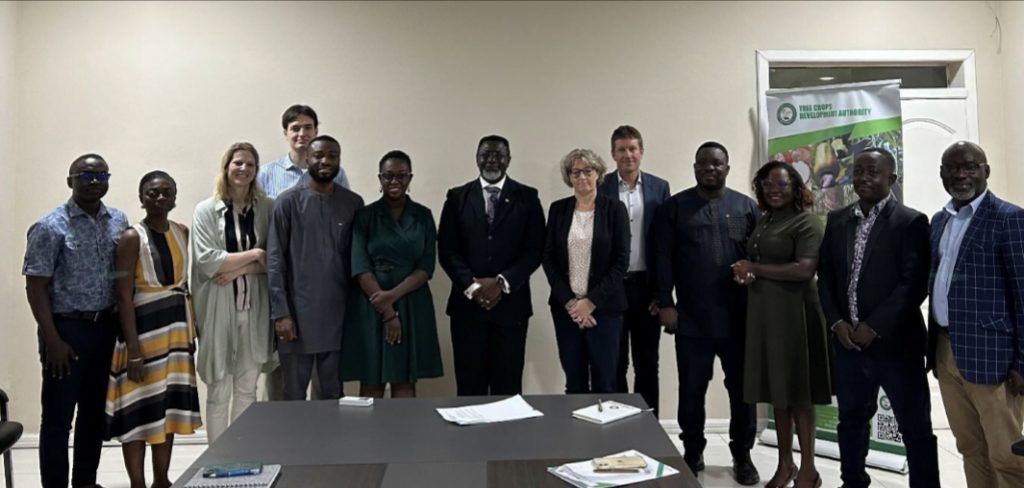
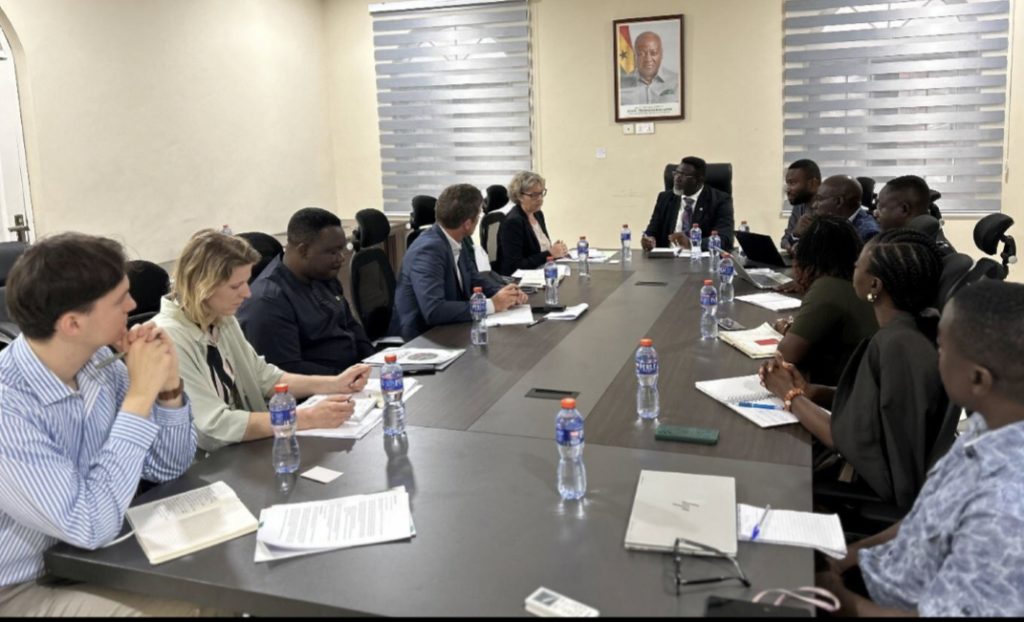
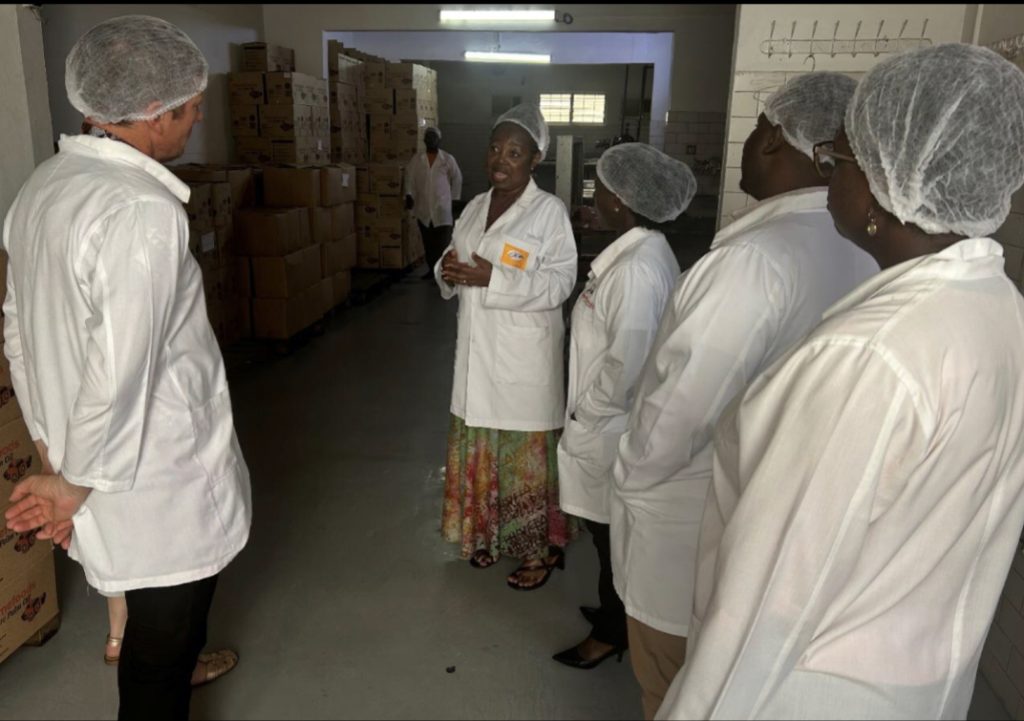
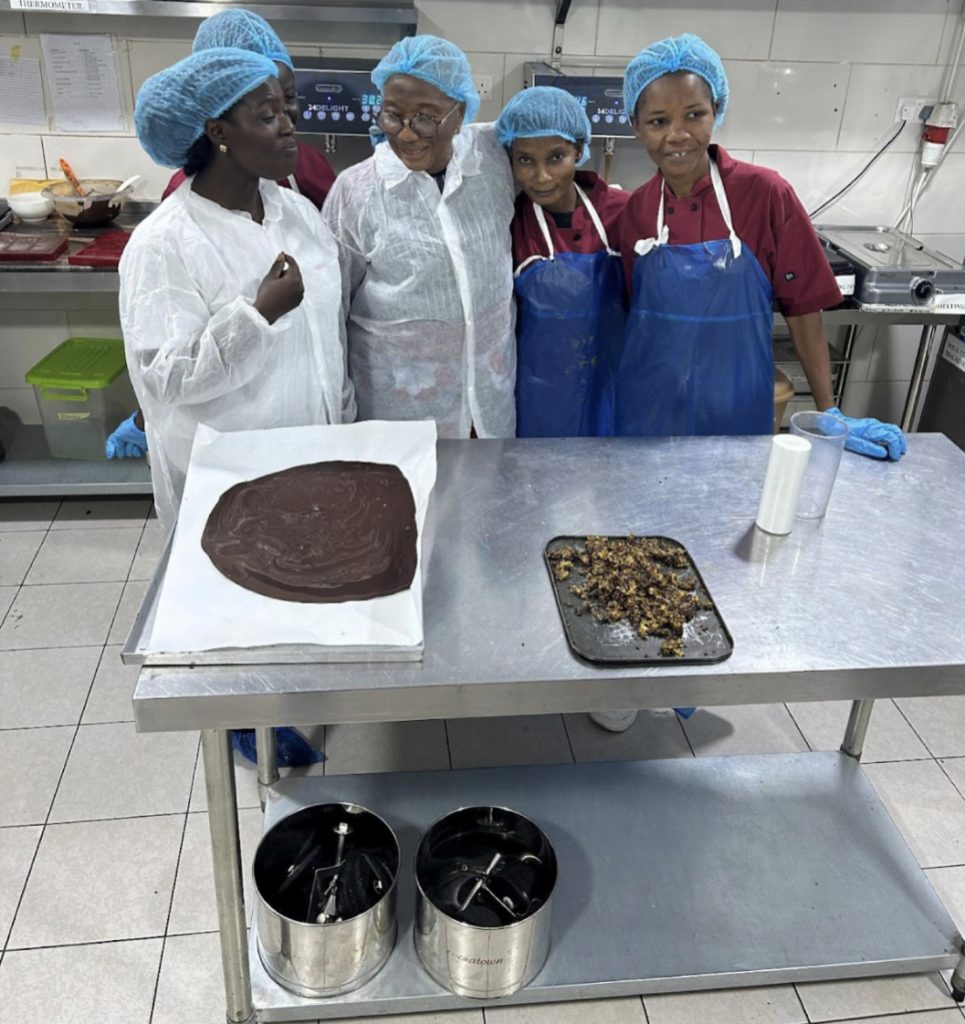
    Some months ago, The Ghana Private Sector Competitiveness Programme II (GPSCP II), conducted a due diligence visit to 24 processing companies specialising in cashew and oil palm in the Greater Accra, Central, Eastern and Bono Regions of Ghana. This initiative is a key component of the Programme’s Development Partnership with the Private Sector (DPP) Grant Fund processes.

    The DPP Fund serves as a co-financing facility that provides grants and technical assistance, tackling the long-standing issue of access to finance 💸 that has hindered the growth of agribusinesses in Ghana for decades. This initiative aims to support and co-finance private sector projects focussed on enhancing processing, establishing market connections, providing services such as certification and quality assurance, and fostering skills development within the cashew and oil palm value chains. 🌱 By doing so, it creates an opportunity for inclusive and sustainable growth, boosting trade and increasing the competitiveness of the private sector.

    The structure of the Fund empowers private sector companies and associations to take the lead in enhancing their own capabilities, efficiency, and sustainability as they seek funding to address critical challenges that affect their competitiveness. 📈

    The processing facilities that were visited expressed a strong need for comprehensive support in several key areas to improve their operational efficiency and competitiveness in the market. They specifically sought assistance with business development services, certifications, training and equipment. ✅

    #Confinancing #Agribusinesses #DueDiligence #EconomicGrowth #PrivateSector #OilPalm #Cashew #GPSCPII

  • Ghanaian Enterprises Celebrate Landmark Grant Awards in Cashew and Oil Palm Sectors

    Ghanaian Enterprises Celebrate Landmark Grant Awards in Cashew and Oil Palm Sectors

    In a landmark move to strengthen Ghana’s agricultural sector and empower women-led businesses, ten small- and medium-sized enterprises (SMEs) in the cashew and oil palm industries have been selected to receive targeted grants under the Ghana Private Sector Competitiveness Programme II (GPSCP II).

    The Grant Award Signing Ceremony, held in Accra earlier this month, marks the first round of awards in a broader initiative aimed at boosting trade competitiveness and sustainable economic growth in Ghana. Of the ten (10) recipients, six(6) are women-led and owned—a significant step forward in promoting gender equity in Ghana’s agribusiness space.

    GPSCP II is a bilateral initiative of the Government of Ghana and the State Secretariat for Economic Affairs (SECO) of Switzerland, jointly implemented by development consultancies NIRAS and Proforest. The program is designed to support actors in the cashew and oil palm value chains by enhancing processing capacity, improving sustainability practices, and promoting inclusive economic development.

    “This event represents a significant achievement for GPSCP II since its launch in January 2024,” said Matej Dudak, the program’s Project Manager. “We remain committed to nurturing a supportive ecosystem for the cashew and oil palm sectors, with the goal of enhancing productivity and competitiveness.”

    The grants fall under the program’s “Development Partnership with the Private Sector” mechanism, a strategic tool to deepen collaboration between public and private stakeholders. Through this mechanism, the selected enterprises and business associations will receive a tailored mix of technological support, business development services, and assistance in achieving sustainability certifications.

    According to the program’s Monitoring and Evaluation Lead, Chrisveen Afun Davies, a second call for grants is expected in April 2025, with further details to be announced in the coming weeks.

    “This initiative is not only about financial support,” Davies noted. “It’s about building capacity for long-term resilience—environmentally, economically, and socially.”

    Dignitaries attending the ceremony emphasized the critical role of the private sector in transforming Ghana’s agriculture. They applauded the recipients for successfully navigating a competitive selection process and urged them to maximize the opportunity to strengthen their value chains.

    Among those in attendance were the Swiss Ambassador to Ghana, Her Excellency Simone Giger, Chief Director for the Ministry of Food & Agriculture Paul Siameh, Tree Crops Development Authority CEO Andy Okrah, NIRAS Representative Jane Bech Larsen, and Proforest Executive Director Abraham Baffoe. Representatives from Ghana’s Ministry of Trade and Industry, as well as key players from the cashew and oil palm sectors, also participated in the event.

    The grants also prioritize environmental stewardship and climate resilience. In line with Ghana’s broader sustainable development goals, recipients are expected to implement climate-smart practices and ensure social inclusion in their business models.

    With regional and global demand for tree crops on the rise, Ghana’s push to modernize and diversify its agro-industrial base could have significant economic implications. GPSCP II stands at the center of this transformation—one grant at a time.